Pipeline Integrity Management Services
TALK TO AN EXPERTProactive Pipeline Integrity Management
When resources are limited, integrity management programs can become reactive instead of proactive. TFC helps operators strengthen their Integrity Management Programs by emphasizing the program as a lifecycle, not just a reactive response to problems when they arise.
Get the expertise you need, when you need it, backed by 175+ years of combined experience.
Approaching Integrity Management as a Lifecycle
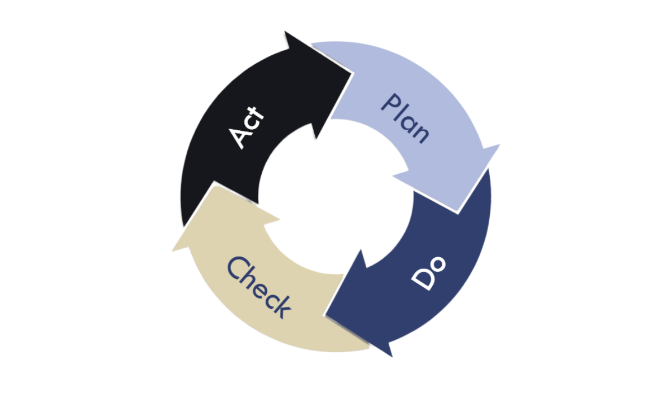
Integrity management is not a one-and-done task. As assets, operating requirements, and regulations change, programs need to be reviewed and updated to maintain the right plan. TFC views pipeline integrity as an ongoing process, not a checklist.
Our team helps operators evaluate programs, identify gaps, and make practical improvements tailored to each system. We believe in Safeguarding ROI: Return on INTEGRITY. By connecting planning, implementation, assessment, and updates, operators can keep their integrity programs current as risks, assets, and requirements evolve.
The 9 Integrity Threats
EXTERNAL CORROSION
MANUFACTURING
THIRD-PARTY DAMAGE
INTERNAL CORROSION
CONSTRUCTION
INCORRECT OPERATIONS
STRESS CORROSION CRACKING (SCC)
EQUIPMENT FAILURE
WEATHER RELATED & OUTSIDE FORCES
INTERACTIVE THREATS
RISK
DATA
REGULATORY
Understanding Risk
Threats do not exist in isolation. A single threat can create or contribute to multiple risks across an asset. Understanding how those risks connect helps operators prioritize what matters most and determine where action is needed.
Crack Management Within Integrity Programs
Though it has been ten years since the crack threat has been a required consideration for pipeline operators, many operators have inadequate crack management plans. Integrity Management Programs may cover processes similar to how cracks and crack-like features are managed, but they often are outdated. Worse yet, integrity engineers have heavy workloads and lack the time to focus on implementing new programs. By leveraging our experience and expertise to enhance your programs, engineers are able to shift their focus to completing their integrity projects safely.
A Right-Sized Approach
TFC helps operators develop and optimize right-sized crack management programs that support compliance, improve audit defensibility, and align with broader asset management objectives. Our team works alongside operators to evaluate existing processes, identify gaps, enhance documentation, and build practical frameworks that support long-term integrity management goals.
Why Crack Management Matters
Case Study
We transform our customers from risky operations with unknowns to assured asset integrity and economic confidence, achieved through our proven ADD Method. Let’s discuss how we can help Safeguard ROI: Return On INTEGRITY for your pipeline assets.