In an industry where safety and reliability are non-negotiable, asset integrity is a foundational element of energy infrastructure. Pipeline and facility integrity programs are comprehensive procedures and practices that continuously evaluate the condition, safety, and operations of hazardous liquid and natural gas transmission pipelines and associated facilities.
A strong integrity management program consists of preventive and mitigation measures to ensure the safety of people, the environment, and the energy supply chain. This article covers both pipeline and facility integrity management, including an overview of risk assessment, potential threats, and best practices.
Overview of Pipeline Integrity Management
Pipeline Integrity Management
The United States currently has over 2.6 million miles of pipeline transporting critical energy products to essential industries across the nation. These pipeline systems are continuously monitored to ensure safe operations through a process known as pipeline integrity management. Integrity management is executed through the development and implementation of Integrity Management Programs (IMP).
According to PHMSA, the goal of these programs is to achieve the following objectives:
- Perform assessments in high-consequence areas.
- Improve management, analysis, and operations for better integrity management.
- Facilitate regulatory oversight of integrity management activities.
- Improve public trust and confidence in pipeline systems.
Regulatory Framework
IMP regulations have been in place since the early 2000s. These programs are primarily regulated by the Pipeline and Hazardous Materials Safety Administration (PHMSA) under the U.S. Department of Transportation. PHMSA has released several standards in Title 49 CFR to serve as a guide for pipeline design, operation, and maintenance, with a special focus on high consequence areas (HCAs).
For example, under 49 CFR Parts 192 and 195, operators are required to develop a written integrity management program that will identify HCAs, conduct regular integrity assessments (ILI assessments, pressure testing, or direct assessment), analyze threats, apply preventative and mitigation repairs, and continuously monitor pipeline conditions. In addition to federal oversight by PHMSA, state agencies provide regulatory oversight and enforcement of pipeline safety regulations, often conducting inspections and investigations to ensure compliance with both federal and state standards.
The ASME B31 series outlines the design, construction, inspection, and testing of piping systems across various industries, including those involved in liquid and gas transmission lines. ASME B31.8S covers frameworks for strong IMPs, including how to (1) assess and mitigate risk, (2) prevent and mitigate failures, (3) ensure safe and reliable operations, and (4) comply with PHMSA regulations.
Standards such as ASME, PHMSA, and API 1160 provide the regulatory and technical foundation for pipeline integrity. API 1173 provides frameworks for Pipeline Safety Management Systems, and API 1188 enhances safety for Facility Integrity. However, the lifecycle approach offers a broader, strategic framework for managing integrity across every phase of a pipeline’s life cycle.
ASME and API Title 49 CFR Parts provide the regulatory and technical foundation for pipeline integrity. To meet these standards, a strategic framework for managing integrity encompasses the design, construction, operation, and decommissioning of pipelines, ensuring a comprehensive approach to pipeline integrity management.
Lifecycle Approach
The lifecycle approach is used as a benchmark for integrity management programs. This strategy involves a proactive assessment of pipelines, examining the design, construction, operation, and decommissioning phases of a line. First, you assess, then design, and do.
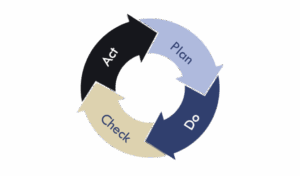
The design and engineering phase begins with the selection of strong materials, adherence to engineering principles, and compliance with regulations. During construction and commissioning, quality assurance practices, including weld inspections, coating applications, and hydrostatic testing, ensure the pipeline is built to specification with no initial defects.
Once operational, pipelines undergo a maintenance and monitoring phase. This phase is crucial for training, qualification, competency, and knowledge transfer related to integrity management programs. Routine inspections gather data to inform operators where to prioritize any present repairs and other mitigation strategies.
Finally, once the pipeline reaches the end of its intended service life, the decommissioning phase certifies the retirement and repurposing of the line. However, as regulations and markets change, there may be a need for a conversion of service. This phase is crucial for minimizing residual risk and ensuring the safety of the public and the environment.
Risk Assessments and Threat Identification
A key element of integrity management programs is conducting risk analysis to identify pipeline threats that could affect high-consequence areas. Examples of types of threats include corrosion, mechanical damage, material defects, third-party interference, and natural hazards.
Corrosion
Corrosion is a continuous degradation of metal pipe, occurring both internally and externally. External corrosion occurs when environmental exposure, such as soil, moisture, oxygen, or stray currents, breaks down the outer surface of the pipe. Internal corrosion accounts for 60% of all incidents related to corrosion (PHMSA). This is the damage caused by a chemical reaction between the pipe’s interior surface and the product flowing through the line. Stress corrosion cracking (SCC) is a form of pipeline degradation that occurs when tensile stress and corrosive environments exist, leading to the development of cracks and compromising pipeline integrity over time. Corrosion weakens the pipe wall over time, increasing the risk of leaks, cracks, or ruptures if left unrepaired.
Mechanical Damage
Physical damage to the pipeline structure, such as dents, cracks, and gouges, can impact a pipeline’s integrity. This threat is often caused by accidental strikes during construction or excavation, as well as geohazard movements that cause damage to pipelines. Mechanical damage has been recognized as the leading cause of pipeline failures (PHMSA). This threat is often detected through in-line inspection tools and surface surveys.
Material Defects
These flaws found in pipeline components are due to manufacturing or construction errors, resulting in defective welds and brittle material. Legacy steel-making processes did not always catch and remove all impurities from the steel. Additionally, poor wrap, coating, and joining techniques during construction play a role in accelerating failures. Although these processes have improved significantly over the years, components developed using early techniques are still in use today, which increases the risk of failures. Regular assessments for possible defects should be conducted, and any necessary repairs should be made.
Natural Hazards
Environmental factors, also known as geohazards, pose a risk to pipeline integrity. Events such as earthquakes, floods, ground movement, landslides, or extreme weather potentially threaten the pipeline. Geohazard management has become a crucial component of pipeline integrity programs, ensuring safety and compliance with regulations.
Any combination of these threats or other potential hazards, including equipment failure, human error, or adverse weather conditions, can compromise a pipeline’s integrity. Understanding the threats to pipelines is crucial for conducting a thorough assessment of your pipeline’s integrity.
Overview of Facility Integrity Management
Similar to pipeline integrity management, facility integrity management encompasses all stages of the facility’s lifecycle. Best practices recommended by standards such as API RP 1188 cover all pressure-containing components used in the transportation and storage of hazardous liquids.
Facility integrity management programs cover high-consequence area determination, data integration, risk assessment, design, materials and construction, inspection and maintenance, preventative measures, and repair. They also face similar threats to pipeline assets, including corrosion, mechanical damage, third-party damage, geohazards, and others.
Threats unique to facilities include dead legs or portions of pipe that are subject to intermittent flow, which may accelerate corrosion or make it challenging to predict. Additionally, facilities have historically been managed using a risk-based inspection approach, so applying the pipeline life cycle to a facility is often a new experience for seasoned operators.
Risk Assessment Techniques
Effective asset integrity management relies heavily on risk assessment to identify, evaluate, and prioritize potential threats. Risk assessments provide operators with a better understanding of the pipeline’s state, enabling them to make informed decisions on how to maintain, monitor, and implement mitigation strategies.
Qualitative Risk Assessment
Qualitative risk assessments (QRA) utilize expert judgment, historical data, and descriptive criteria to develop insights on how to evaluate current risks effectively. Risks are typically ranked using categories such as “low,” “medium,” or “high” based on their likelihood and consequences. Tools such as risk matrices and checklists are standard in this approach.
Quantitative Assessment
Quantitative assessments offer a more precise, data-backed analysis to calculate risk levels. These methods involve assessing the probability of failure and potential consequences using formulas, historical failure rates, and real-time data.
Failure Probability and Consequence Analysis
Failure probability and consequence modeling provide operators with data-driven insights into the likelihood of a failure occurring and its potential impact. The consequences of failures can be severe, affecting surrounding assets, the community, and the environment.
Risk = Likelihood x Consequence
The probability of failure combines hazard rate analysis, fault tree analysis (FTA), and historical frequency data to yield a quantitative metric indicating the likelihood of a failure occurring. A consequence analysis is conducted to focus on outcomes such as environmental damage, public safety risks, economic losses, and service disruptions.
By gathering data, operators can find real-time insights into the current state of their pipeline. With further assessment and understanding, preventative measures can be taken to reduce the risk of failure.
Gathering Data
Data is a huge driver and limitation when it comes to risk and threat analysis. New regulations require data integration that is difficult to achieve. For example, the Mega Rule emphasizes the need for accurate data on materials and operating pressures.
For pipeline risk assessments, supporting data such as geospatial risk mapping has become a mandated tool to use. Geographic information systems (GIS) gather, store, and analyze visual, spatial, or geographical information. GIS data plays a crucial role in mapping pipeline networks, identifying HCAs, understanding present threats, monitoring environmental conditions, and supporting emergency responses. However, challenges such as data quality and system integration can impact the effectiveness of GIS in risk-informed decision-making.
Preventative Measures
Design and Material Selection
One of the most effective ways to prevent integrity threats is to add an additional layer of protection during the design and material selection phase. Protective barrier systems allow assets to withstand long-term environmental and operational stresses. Examples include selecting corrosion-resistant materials, applying protective coatings, and implementing electrochemical cathodic protection.
These strategies serve as a first line of defense against common integrity threats. By investing in the right materials and protection systems early on, operators can significantly reduce the likelihood of corrosion-related failures and extend the safe operating life of their assets.
Inspection and Monitoring
As part of a strong integrity management program, continuous testing and monitoring are required. Using updated, real-time data, operators can monitor and detect potential defects or signs of corrosion. Early detection enables operators to respond quickly and prevent failures from occurring. Proactive methods include pressure monitoring, control systems, and in-line inspections, using MFL, UT, and/or caliper tools.
By continuously monitoring system performance and detecting issues, operators can take swift action to prevent minor problems from escalating into major incidents. In the event of an incident, it is crucial to be well-prepared to respond effectively.
Mitigation Measures
Emergency Response Planning
Having an emergency response plan is a critical component of an operations program, enabling operators to minimize harm to people, the environment, and infrastructure in the event of a failure. A spill response protocol outlines the specific actions to take in the event of a product release, such as a gas leak or liquid spill. Effective emergency response depends on strong preparation and understanding. Operators must:
- Identify High Consequence Areas (HCAs), model for spills, leaks, ruptures, or fires, and tailor response plans accordingly.
- Regularly review and update emergency procedures.
- Document training, drills, and response readiness.
- Communicate with local first responders and agencies.
- Incorporate lessons learned from past incidents into future planning.
Once immediate steps are taken to address the impact of the pipeline incident, a long-term strategy must be made to restore system integrity and prevent recurrence.
Damage Control and Repair
If an incident or threat escalates to a leak or rupture, damage control and repairs become an immediate concern. A critical first step is to isolate and shut down affected segments and/or assets quickly and safely. It is key to ensure adequate valve spacing and emergency flow restriction device (EFRD) response in accordance with the company’s risk tolerance.
Shutdown operations might be needed to completely stop the leak or rupture, typically by depressurizing the line and stopping pump or compressor stations.
During long-term repair efforts, operators may perform temporary repairs to maintain integrity and minimize disruptions. These can include clamps, sleeves, or other engineered solutions that contain defects until permanent repairs are completed. In parallel, pressure reductions are used to lower the stress on compromised pipeline segments. These interim measures must comply with regulatory requirements and be carefully monitored to prevent further degradation or incidents.
Public Awareness
An effective Integrity Management Program (IMP) extends beyond technical systems and operational controls by including strong engagement with the public and key stakeholders. For example, one-call systems (8-1-1 in the U.S.) are designed to prevent accidental damage by requiring excavators to notify utility operators before digging. Bringing awareness and educating the surrounding communities on what to do in the event of a suspected leak is a required activity that is essential to improve emergency response.
Best Practices
Successful integrity management programs offer a comprehensive resource for procedures and protocols that uphold best practices and effectively mitigate threats. They focus on regulatory compliance, technological innovation, risk-based strategies, and continuous improvement. Widely used best practices include regularly scheduled inspections, the use of advanced technology, risk-based assessments, data integration and analysis, workforce training, response preparedness, and continuous improvement, among others.
For these programs to be effective, operators and field personnel must adhere to procedures and focus on continuous improvement to minimize incidents as closely as possible to zero. Both management and company leadership must commit the necessary resources to ensure safe operation.
Supporting Pipeline and Facility Operators
Preventative and mitigation strategies form the foundation of a comprehensive integrity management program, helping operators stay ahead of potential threats and minimize operational disruptions. These programs provide operators with the opportunity to make risk-informed decisions, ensuring long-lasting operations.
To support the industry, Time for Change Engineering provides a right-sized approach to strengthen your integrity management efforts. We believe integrity is an investment and can help you achieve a positive ROI: Return On INTEGRITY. Our approach is grounded in real-world experience, enabling us to understand and address key industry challenges firsthand. Combine your internal IMP efforts with external expertise to maximize results. Learn more at timeforchangeengineer.com.
Recent Comments